
Lot and Brush Clearing in Abilene, TX
Acreage work, not yard work. What comes out, what stays and what happens to the pile are three decisions, and all three show up in the price.
Cleared Is Not One Thing
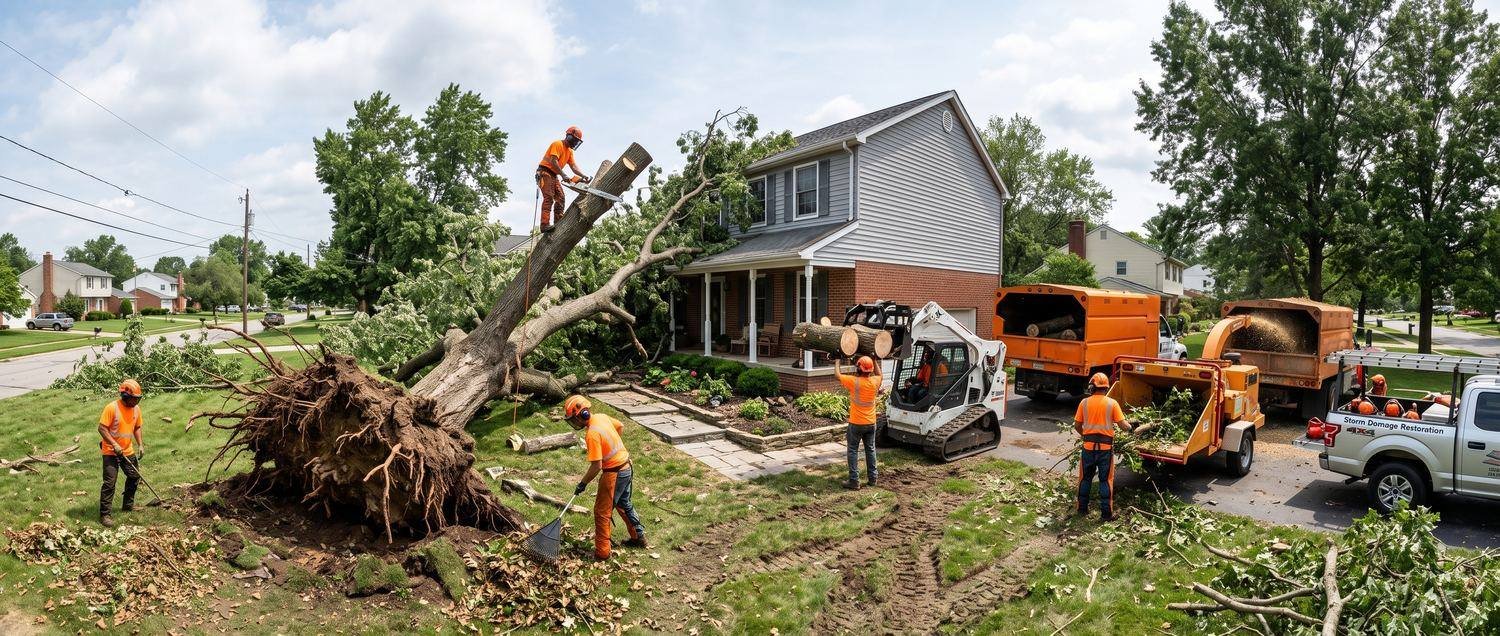
Ask five landowners around Abilene what they want cleared and you get five different jobs. A fence line opened so a tractor can get down it. Mesquite thinned out of a pasture with the shade left standing. A building pad scraped to bare dirt. Those are not variations on one price.
So the first question is not how many acres. It is what you want standing when the crew leaves.
| What people ask for | What it means on the ground |
|---|---|
| Selective thinning | Chosen trees come out, the rest stay. Grass, cover and shade kept on purpose |
| Fence lines and lanes | A working width opened so a mower or a fence crew can get through |
| Brush clearing | Understory and regrowth taken out, mature trees left |
| Clear to bare ground | Everything out, stumps included, ready for a pad or a mowed field |
Get a Free Lot Clearing Quote
Tell us roughly how many acres, what is growing on it, and what you want standing when we finish. We come out and walk it.
- Free, no-obligation estimate
- Selective thinning or clear to bare ground
- Stumps left low or ground out, your call
- Chipped on site, hauled off, or piled
Your request goes to an independent local tree service, which contacts you with a quote. Big Country Tree Pros does not do the tree work itself.
Why We Walk It Before Quoting
Acreage cannot be quoted off a photo the way one yard tree can. Density changes across a property and so does the ground. Half of a twenty acre place can be open grass with scattered mesquite while the other half is cedar too thick to walk, and those halves are not the same money per acre.
Walking it settles what actually sets the number: where equipment gets in, whether the ground stays firm, where the lines really run, what is buried, and what you want left. Aerial imagery is useful for a first look, but it is a year or two old and flattens slope and understory.
Brush, Trees and Stumps Are Three Separate Costs
Clearing reads like one line item. It is three, and any of them can be dropped to fit a budget.
- Brush and understory. Volume work. The cost sits in moving material, not cutting it, and dense regrowth is slow
- Trees. Priced by size and what stands near them. A stand in the open is quick. A row along a fence or under a line is not
- Stumps. Separate and optional. Cut low and left is cheapest and fine for pasture. Ground below grade costs more, and is what a pad or mowed field needs
Species decide more than acreage does. Mesquite resprouts from an underground bud zone if the stump stays, covered on the mesquite removal page, and whether a cedar comes back depends on which juniper it is, covered on the cedar tree removal page. Between them they decide whether cleared lasts ten years or two seasons. Grinding is on the stump grinding page.
Access, Ground and Boundaries
Equipment has to reach the work and material has to come back out. A gate wide enough for a truck and chipper, a cattle guard that takes the weight, a crossing that is not a washout after rain. Where a machine cannot go it becomes hand work and a longer bill.
Ground condition matters more than people expect. Clay firm in August is a rut factory in March, so wet ground either moves the date or costs you ruts to fill.
Boundaries get their own paragraph, because clearing across one cannot be undone. Fences wander, and a fence built sixty years ago is not proof of the line. Trees do not grow back inside a season, and cutting a neighbor’s timber is a legal problem. Before anything starts:
- Show us the corners you know, or the survey if you have one
- Flag what you want kept, and anything you are unsure about
- Where a line is in doubt, we stop short of it rather than guess
Utilities, Overhead and Buried
Overhead lines set a hard limit. Work near a service drop is slower, and work near a primary distribution line gets coordinated with the utility first.
Buried services get missed on acreage because there is nothing on the surface to see. Water lines to a tank or trough, electric out to a well or barn, propane, septic laterals, a phone or fiber drop run across a pasture. Grubbing and stump grinding both dig, so have the lines located first, and tell us about anything put in privately, since no locate service knows about those.
What Happens to the Material
| Option | What it costs you |
|---|---|
| Chipped on site | No haul cost. Chips spread or piled where you want them, and they stay as mulch or cover |
| Hauled off | Cleanest result, highest cost: trips and weight |
| Piled or windrowed | Cheapest on the day. It leaves you with a pile and a decision |
That last one is where burning comes up. Outdoor burning in Texas sits under state rules and under county burn bans that come and go with conditions, and a ban can be on one week and lifted the next. Whether you may burn a pile on your own land, and what permit applies, is for the landowner to confirm with the county before anything is lit. We do not burn brush, and where a pile stays we put it clear of standing trees, fences and structures.
Hauling some of it yourself? Options are on the tree debris disposal page, and city brush rules change, so confirm them with the City of Abilene. Towns we cover are on the service areas page.
What moves the price
Density more than acreage, stem size, whether stumps are left low or ground out, access and ground condition, and what happens to the material.
Lot Clearing Questions
How much does it cost to clear an acre?
There is no honest per acre figure, because two acres on the same property are rarely the same job. Density, stem size, stumps, access and what happens to the material all move it.
Do you have to take everything out?
No, and most jobs are not total clearing. Selective thinning is common. Walk it with us and flag what you want standing.
Do the stumps have to be ground out?
Not always. Cut low and left is cheaper and fine for pasture. Grinding below grade is what a building pad or mowed ground needs, and what stops mesquite and redberry juniper coming back.
Will the brush grow back?
Some of it will. Seed stays in the soil and some species resprout from the stump, so plan on a follow up pass while regrowth is small.
Can you burn the piles?
No, we do not burn brush. Outdoor burning is governed by state rules and county burn bans that change with conditions, so whether you can burn on your own place is for you to confirm with the county.
What about trees right on the fence line?
Show us the corners or the survey. Fences are not proof of a boundary, and cutting across one is a legal problem. Where the line is in doubt we stop short of it.
Ready for a free quote?
Takes about a minute. No obligation, no pressure.